Courts & Justice
Lindsay Clancy Jury Deadlocked as Judge Orders Panel Back to Deliberations
Introduction
Jurors weighing the fate of Lindsay Clancy told a Massachusetts judge on Tuesday that they could not reach a unanimous verdict, sending the closely watched murder trial into a new and uncertain phase. Judge William Sullivan responded by directing the panel to keep working, setting up what legal observers say could become a prolonged standoff or, eventually, a mistrial.
What Happened
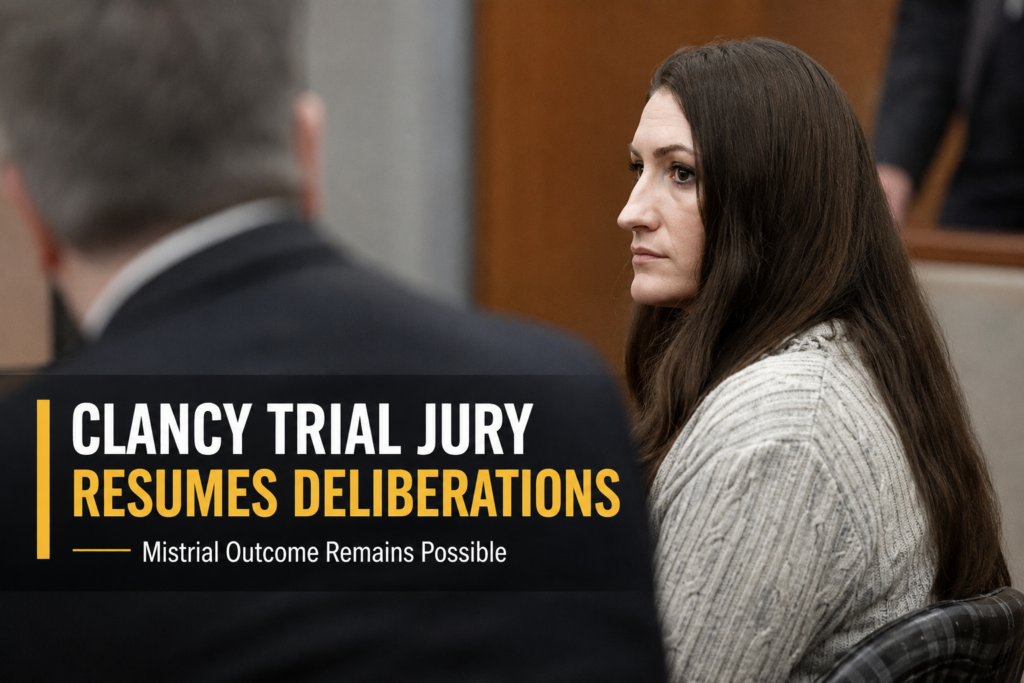
The 12-member jury, made up of nine women and three men, began its fourth day of deliberations Tuesday morning in Plymouth Superior Court. Shortly after resuming discussions, jurors sent a note informing the judge they were unable to agree on a verdict.
Judge Sullivan brought the panel back into the courtroom and asked them to continue. He acknowledged the difficulty of the case, noting the trial had stretched across five weeks and involved dozens of witnesses and hundreds of pieces of evidence. Neither the prosecution nor Clancy’s defense attorney, Kevin Reddington, objected to sending the jury back for further discussion.
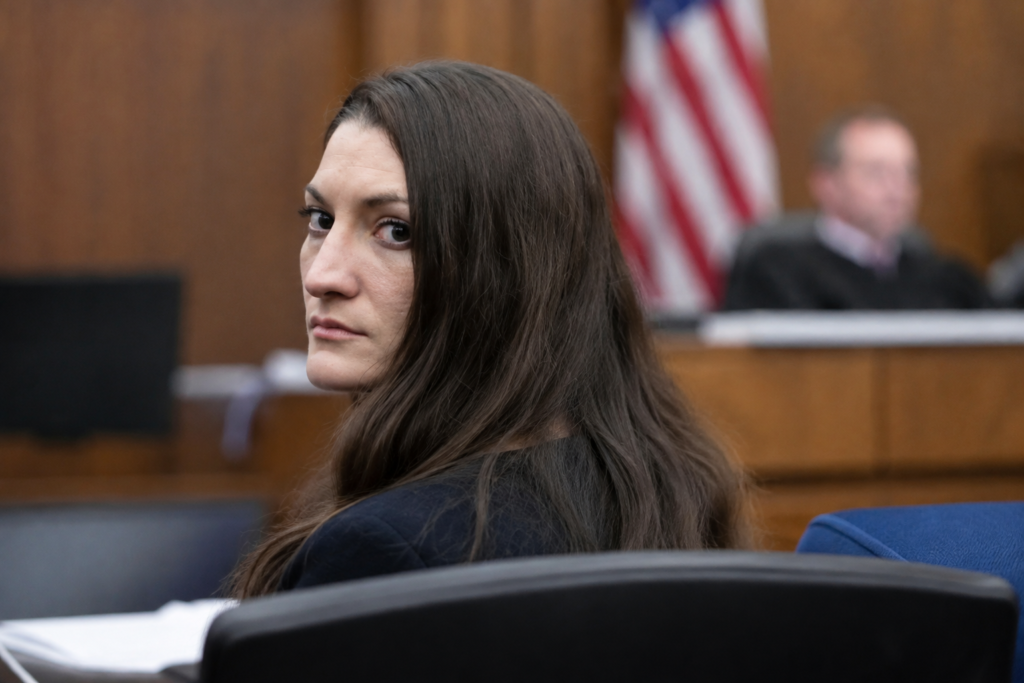
Clancy, dressed in a beige sweater, showed little visible reaction as the note was read. Her parents and sister sat in the gallery, as they have throughout the proceedings.
At a Glance
The jury has now deliberated for parts of four separate days without reaching a unanimous decision. Under Massachusetts law, a judge may send a deadlocked jury back to deliberate, but typically no more than twice unless jurors agree to continue further. If the panel remains unable to agree, the judge may eventually declare a mistrial.
Key Facts
| Detail | Information |
|---|---|
| Defendant | Lindsay Clancy, a former labor and delivery nurse |
| Charges | First-degree murder in the deaths of her three children |
| Victims | Cora, 5; Dawson, 3; and Callan, 8 months |
| Location | Plymouth Superior Court, Massachusetts |
| Deliberation status | Jury reported deadlock on the fourth day of deliberations |
| Presiding judge | Judge William Sullivan |
Official Statements
Judge Sullivan told jurors he recognized the weight of their task, pointing out that the trial included testimony from more than 80 witnesses and over 300 pieces of evidence. He asked them to return to the jury room and keep his earlier instructions in mind as they continued deliberating.
Defense attorney Kevin Reddington said outside court that he holds strong confidence in the jury, citing how attentive members appeared throughout the trial. Asked whether he would retry the case if the outcome is a hung jury, Reddington said he would do so without hesitation.
Legal experts not involved in the case offered outside perspective. Heather Cucolo, a professor at New York Law School who focuses on criminal and mental disability law, said deadlocks are common in emotionally difficult trials that involve extensive expert testimony. She noted that the longer a jury stays deadlocked, the more likely a mistrial becomes.
Background
Clancy is accused of killing her three young children with exercise bands inside the basement of the family’s Duxbury home in January 2023. Her then-husband, who had been out running errands, discovered her outside beneath a second-story window after she attempted suicide, an act that left her paralyzed from the waist down.
Clancy’s defense team has argued she was experiencing postpartum psychosis at the time and believed she heard a voice instructing her. Attorneys say she had sought mental health treatment before the killings. Prosecutors dispute that account, arguing instead that the deaths were planned rather than the result of a psychotic episode.
Jurors have several possible outcomes available to them, including first-degree murder, second-degree murder, manslaughter, or a finding that Clancy is not criminally responsible due to a lack of criminal responsibility at the time of the killings.
Why It Matters
The case has drawn national attention well beyond the courtroom, becoming a focal point for public conversations about postpartum psychosis and gaps in maternal mental health care. Supporters of Clancy, some wearing pink, have regularly gathered outside the Plymouth courthouse and filled seats in the gallery throughout the trial.
How the jury ultimately resolves the case, or whether it can resolve it at all, may influence future public debate over how the legal system handles defendants who raise serious mental illness as a defense in cases involving the deaths of children.
What’s Next
Massachusetts law allows Judge Sullivan to send the jury back to deliberate again, but generally not more than twice, unless jurors themselves agree to keep going. If the panel reports it remains deadlocked after further instruction, the judge could issue a special charge encouraging jurors to reconsider their positions while still honoring their individual convictions.
Should the jury remain unable to reach a unanimous decision after that point, Sullivan would have the option to declare a mistrial. Reddington has indicated the defense would be prepared to retry the case if that occurs.
Conclusion
As deliberations stretch into a fourth day, the Lindsay Clancy trial remains unresolved, with a jury of nine women and three men working through a case that has captivated public attention for weeks. Whether the panel reaches a verdict, remains deadlocked, or forces a mistrial, the coming days are expected to bring more clarity on the outcome of one of the most closely watched criminal trials in recent Massachusetts history.
FAQ
Q: What is Lindsay Clancy accused of?
A: She is charged with first-degree murder in the deaths of her three children in January 2023.
Q: Why is the jury deadlocked?
A: The exact reason is not publicly known, though legal experts point to conflicting expert testimony about Clancy’s mental state as a likely factor.
Q: What happens if the jury cannot reach a verdict?
A: The judge could eventually declare a mistrial, which would leave open the possibility of a new trial in the future.
Q: What defense has Clancy’s legal team presented?
A: Her attorneys argue she was experiencing postpartum psychosis at the time of the killings.